

Presentation
The Norwegians inhabit the ‘Northern Way,’ Norge, Old Norse Norðrvegr, 980 Nuruiak. A society of seafarers and communities of free peasants (bygd), bonde, odelsbonde, who, throughout centuries of foreign domination, preserved their national character and language by upholding hereditary rights: ‘It is precisely my óðal rights (inherited patrimony) that, to this day, have made Norway the blessed, beloved, and true land of liberty’ (Jens Zetlitz). Hence the proverb: "Vær deg selv nok" ("Be content to be yourself", Henrik Ibsen, Peer Gynt). A small Norwegian community lives in Murman (the Kola Peninsula).
The flag with the Scandinavian cross, dating back to 1821, was officially adopted in 1898. The white evokes Denmark’s Dannebrog, while the blue—complementary to red—reflects Norway’s maritime vocation, asserted in the 19th century through the demand for a naval ensign in national colors.
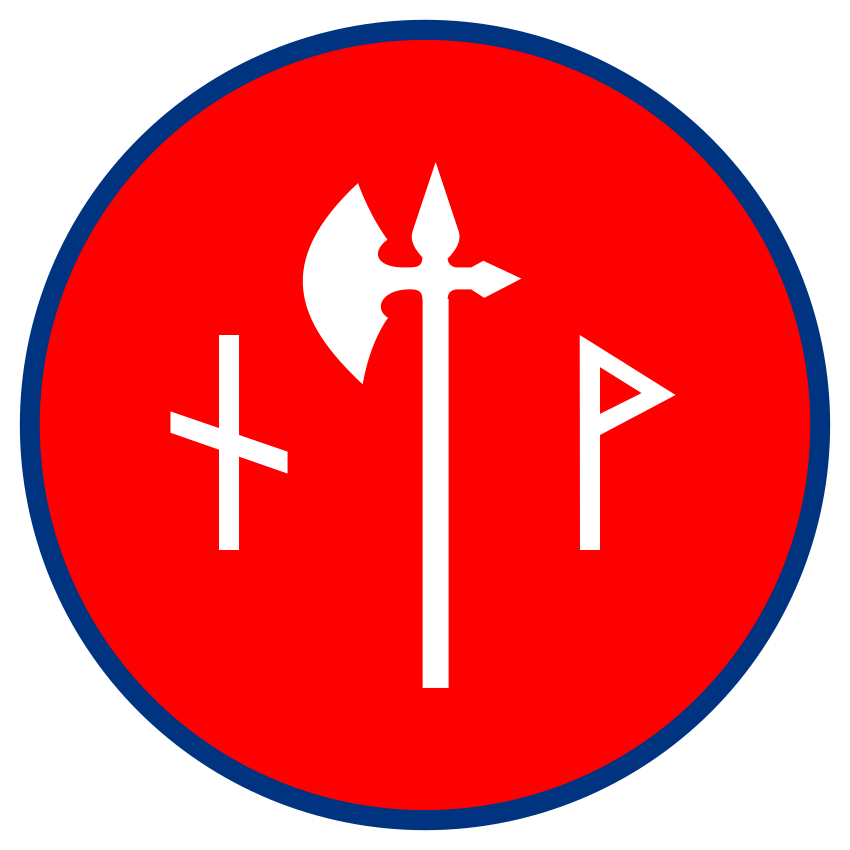
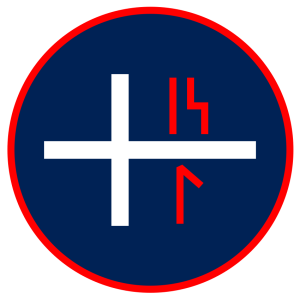
Since the Scandinavian cross alone is not distinctive enough, it is the axe from the coat of arms—once used alone as the crest of the kings of Norway—that serves as the most distinctive emblem. The axe head is accompanied by the runes N and W according to the principle of acronymy.
Location
-
Gausdal, Innlandet, Norway


Add a comment