

Presentation
Island Roman people, linguistically and culturally distinct.
On the flag and coat of arms, the Moor’s head with the white headband is explained in the same way as in Sardinia. It expresses the islanders’ spirit of defense against the occupier. The flag was official in the Corsican Republic from 1755 to 1769.
White and black are the colors of the Corsican flag. A particular shade of red is the color of coral (Coralium rubrum), a material used in protective talismans (see Vannina Lari, Parà a sorti. Objets et rituels de protection de Corse, Éditions Dumane, Pietraserena, 2007).
A written talisman bears the inscription F.F.F.F.F. Furtuna, Fammi Fà Felice Fine (“Fortune, grant me a happy end”).
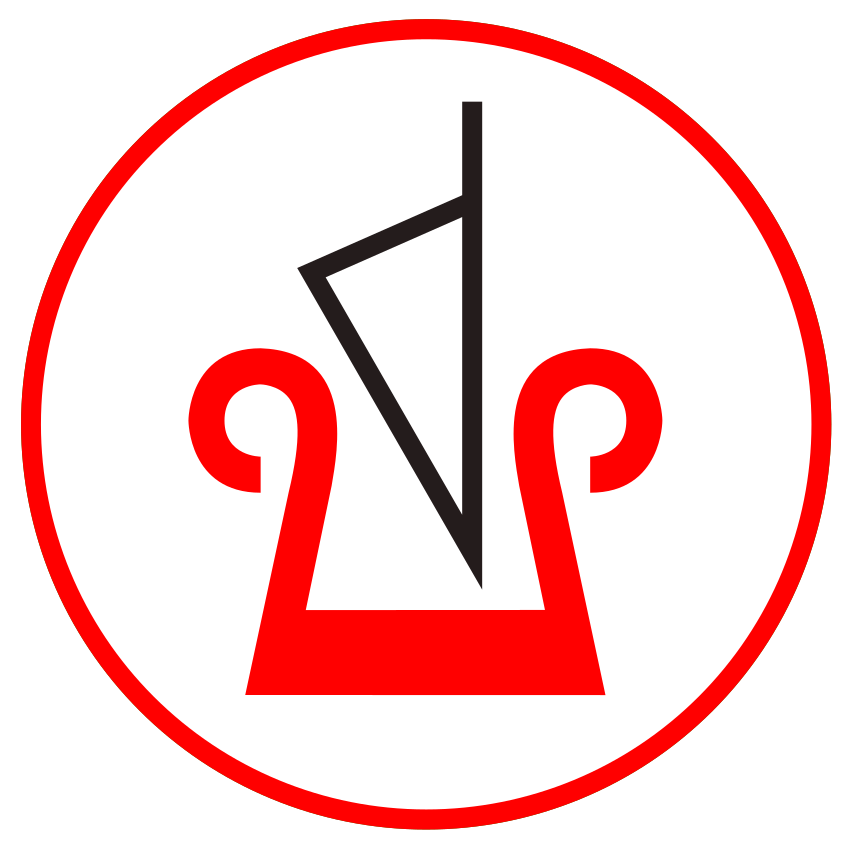
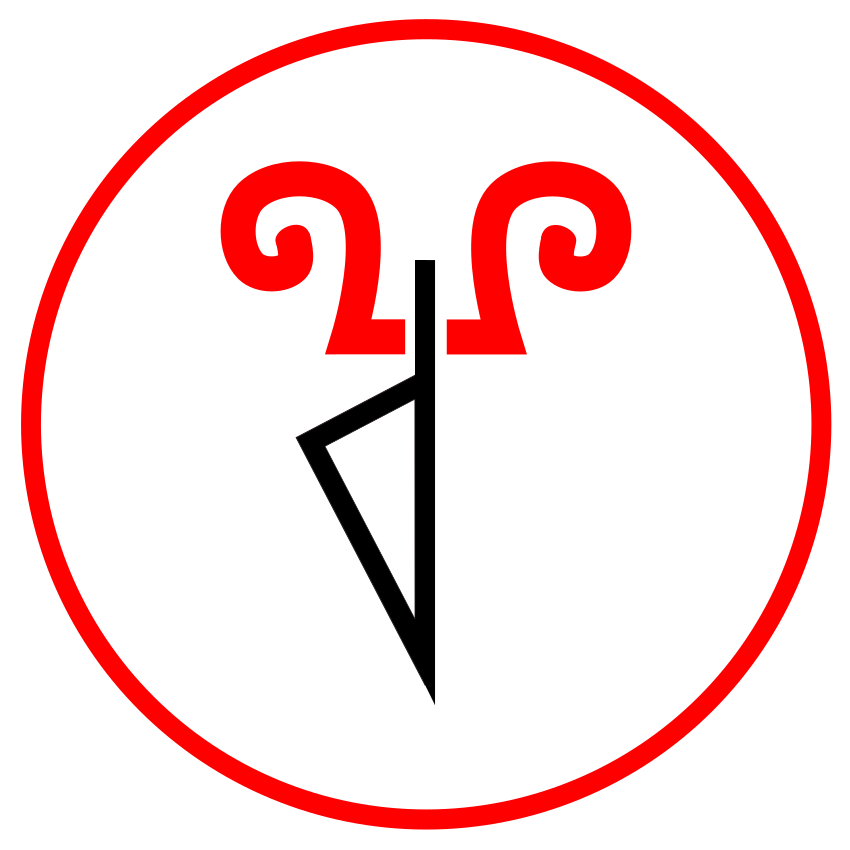
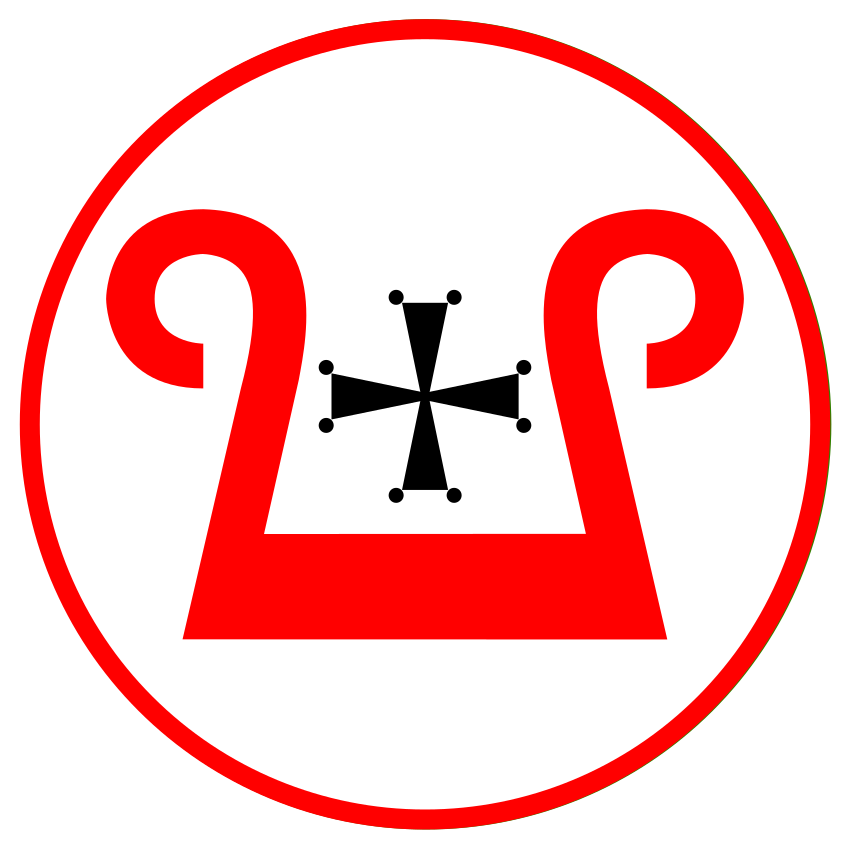
The severed head on the coat of arms cannot be represented geometrically. A triangular sign, used notably in ornamentation and jewelry, provides a geomorphic stylization of the island. Here we add to it the two horns of the mouflon (a muvra), which traditionally symbolizes cultural resistance. The design also suggests the image of an ancient ship.
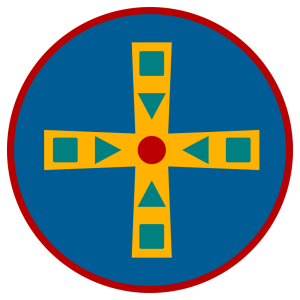
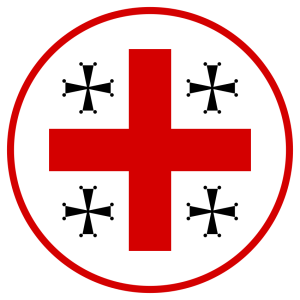
The genealogical and administrative equivalence between the heraldic charge known as the Moor’s head and the cross pattée with pellets — which we have noted for Sardinia (see above) — can also apply to Corsica. This cross, a legacy of the Byzantine Empire, likewise serves as a geometric graphic alternative (see below).
Note: In a wholly different historical context, crosses pattée (with or without accompanying pellets) are also found on medieval Corsican coins (14th century, denier of Bonifacio, reverse, catalogue Bd.-Doazan p. 104).
Location
-
Ghisoni, Corte, Upper Corsica, Corsica, Metropolitan France, 20227, France


Add a comment